

Whey protein powder is becoming a cornerstone in the fitness and wellness community, praised for its remarkable advantages and adaptability. Extracted from milk during the cheese-making process, this protein source is rich in key amino acids and is rapidly utilized by the body, making it an ideal choice for anyone seeking to improve their nutrition. If you are a professional athlete, a workout lover, or someone simply aiming to incorporate more protein into their meals, comprehending the multiple varieties of whey protein, like whey isolate protein and whey concentrate protein, can help you make informed decisions suited to your personal goals.
The benefits of whey protein reach far beyond muscle building. It supports recovery after workouts, helps in weight management, and offers several health perks, such as enhancing immune function and promoting overall wellness. With variations like whey isolate protein powder and whey concentrate protein powder, individuals can pick the specific type that most closely matches their dietary preferences and fitness goals. In visit site , we will discuss the benefits, uses, and considerations to help you navigate the world of whey protein powder efficiently.
Types of Whey
Whey protein is a superior protein extracted from dairy during the cheese-making process. It is known for its abundant amino acid profile and fast absorption by the body. The main types of whey protein are concentrated whey, isolated whey, and whey hydrolysate, each with distinct characteristics fitting varied needs.
Whey concentrate protein is the least processed form of whey protein. It typically contains about 70 to 80 percent protein content and contains some fat and carbohydrates, which enhance its creamy texture and flavor. This type is often chosen for those looking for a more budget-friendly option while still enjoying from the nutritional advantages of whey protein.
On the other hand, isolated whey protein powder experiences further processing to eliminate most of the fat and lactose, resulting in a protein content of about at least 90% or higher. This makes whey isolate ideal for individuals who are lactose-sensitive or those seeking a calorie-friendly option to support muscle recovery and growth without unnecessary calories. Each type of whey protein has its advantages, allowing users to pick based on eating preferences and fitness goals.
Health Advantages of Whey Protein
Whey protein offers a multitude of health benefits that promote overall wellness and fitness goals. One of the key advantages is its capability to promote muscle growth and repair. After working out, consuming whey protein helps to stimulate protein synthesis, which is vital for recovery and improving muscle mass. This makes it a popular choice among athletes and fitness enthusiasts looking to enhance their performance and outcomes.
In addition to muscle support, whey protein can take a major role in weight management. It is known to enhance feelings of fullness, which may help minimize overall calorie intake. By including whey protein into meals or snacks, individuals may find it easier to manage their weight and minimize unhealthy cravings. The significant protein content also means that it can help protect lean muscle during weight loss, further enhancing body composition.
Another important benefit of whey protein is its beneficial impact on overall health markers. Research suggests that whey protein can minimize blood pressure and improve cholesterol levels, contributing to optimal heart health. Moreover, whey protein has shown promise to boost the immune system, thanks to its abundant concentration of immunoglobulins and lactoferrin. These characteristics make it an excellent addition to a balanced diet for those seeking to enhance their health and well-being.
Methods to Use Whey Protein Supplement
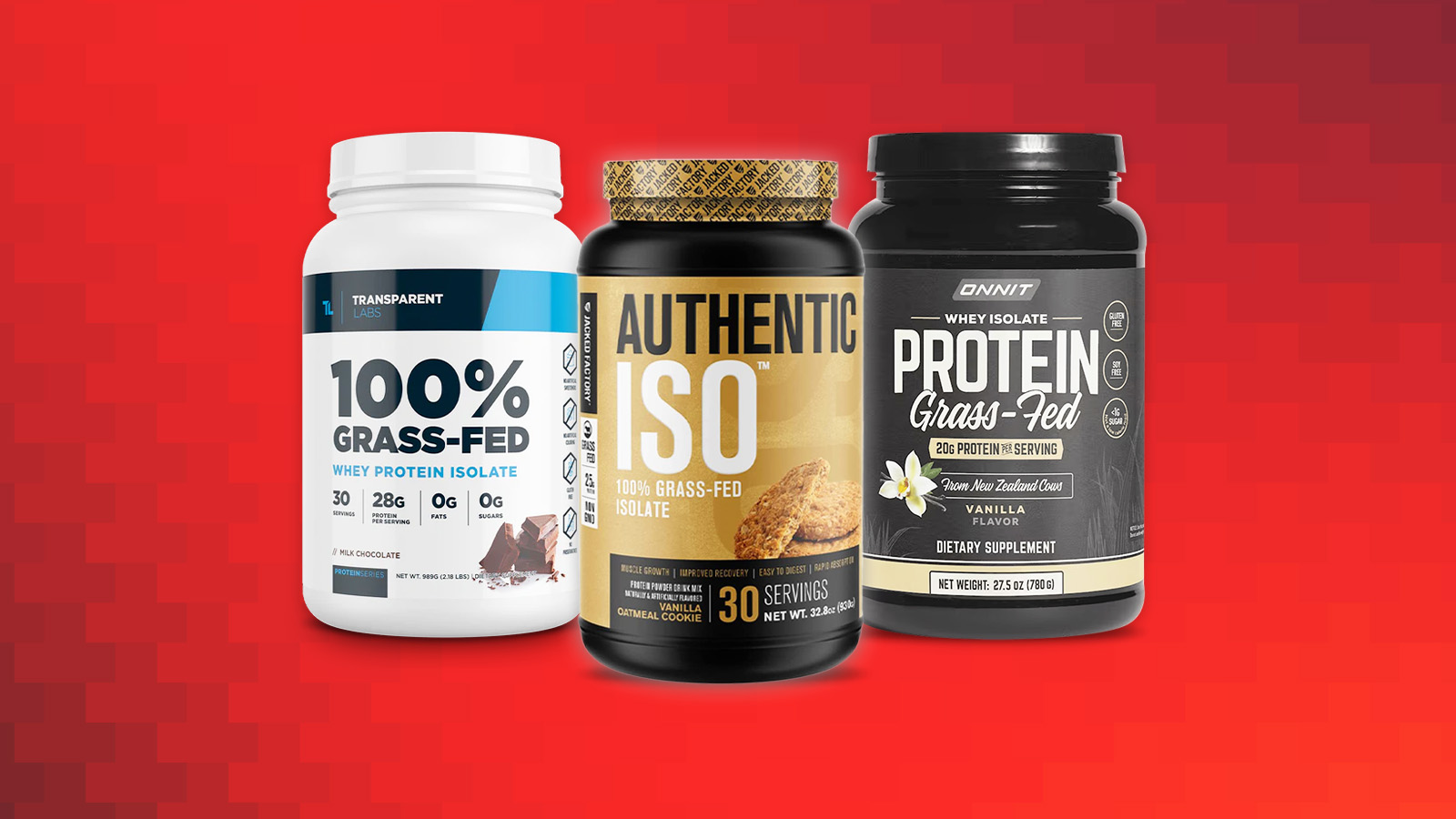
Incorporating whey protein powder in your daily routine can be easy and satisfying. One of the most common ways to use it is by combining it into smoothies. Mix your preferred fruits, such as bananas or berries, with milk or a plant-based alternative, then add a scoop of whey protein powder, and mix until smooth. This not only boosts your protein intake but also makes for a delicious snack or meal replacement.
An additional effective method is to stir whey protein powder into your morning oatmeal or yogurt. Stirring it right into your breakfast offers an easy way to boost the nutritional value of your meal. You can also experiment with adding it to baking recipes, like pancakes or muffins, to make a protein-rich version of your preferred treats. This approach lets you to take advantage of the benefits of protein while indulging your sweet cravings.
For those seeking to enhance their workout recovery, drinking a whey protein shake post-exercise is important. Combining whey isolate protein with water or milk provides a quick-digesting source of protein that helps repair and rebuild muscles after a workout. By scheduling your protein intake correctly, you can optimize your muscle growth and overall fitness progress.